
Best Free Keyword Research Tools in 2025.
Discover Powerful Tools Without Spending a Dime
In today’s hyper-competitive digital marketing world, finding the right keywords can define the success of your SEO strategy. Whether you’re a content creator, blogger, agency, or startup, selecting effective free keyword research tools is essential to stay ahead in 2025.
With rising costs of premium SEO tools, many professionals and beginners are turning to free keyword research tools to uncover content opportunities, monitor trends, and build strategies that convert—without spending a fortune. Luckily, in 2025, you don’t need a hefty budget to access powerful data and insights.
In this blog, we’ll explore the 10 best free keyword research tools available this year, their strengths and limitations, and how to use them effectively for maximum results.

Why Keyword Research Still Matters in 2025
Keyword research remains a fundamental part of SEO, even as search engines become smarter. It helps you understand what your target audience is searching for, identify profitable niches, and optimize content that ranks well.
Free keyword research tools allow users to:
Analyze user search behavior
Discover long-tail and low-competition keywords
Understand search trends and seasonality
Build data-driven content strategies
Even without a premium subscription, the right tools can deliver competitive insight and fuel your organic growth.

Free Keyword Research Tools
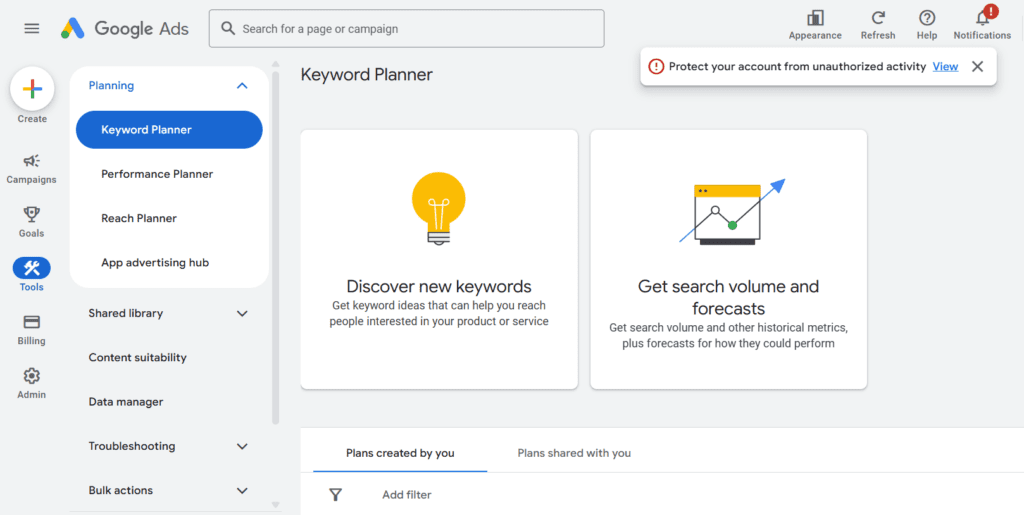
1. Google Keyword Planner
This Google Ads tool continues to be a valuable resource for marketers in 2025. Though primarily designed for paid campaigns, it works great for organic research too.
Features:
Average monthly search volume
Keyword competition level
Geographic and language filters
Ad performance forecasting
Pros:
Directly connected to Google data
Ideal for PPC and SEO alike
Reliable and consistently updated
Cons:
Broad volume ranges
No keyword difficulty score
Despite its limitations, it remains one of the most trusted free keyword research tools for basic and advanced marketers alike.
2. Ubersuggest (Free Version)
Created by Neil Patel, Ubersuggest offers keyword suggestions, domain data, and competitor insights—all in one dashboard.
Features:
Keyword ideas, volume, and SEO difficulty
Backlink profiles
Domain overview and traffic analysis
Pros:
Simple and intuitive interface
Chrome extension for instant data
Great for content creators
Cons:
Daily query limits
Some features behind paywall
Still, its free version is enough to classify Ubersuggest among the best free keyword research tools today.
3. AnswerThePublic
This tool visualizes search questions people ask around a keyword, making it perfect for generating blog ideas.
Features:
Generates questions, prepositions, and comparisons
Exports results as CSV or image
Localized results by region
Pros:
Great for finding long-tail keywords
Beautiful visual interface
Ideal for voice search optimization
Cons:
Limited daily searches
Doesn’t show volume or difficulty
For marketers focused on understanding search intent, it’s one of the top free keyword research tools out there.
4. Keyword Surfer (Chrome Extension)
Keyword Surfer displays search volume and keyword ideas directly in Google search results—ideal for real-time insights.
Features:
Search volume data inline
Related keywords in sidebar
Domain traffic estimates
Pros:
Instantly accessible
Lightweight and fast
No login required
Cons:
No advanced filters or export
Lacks keyword difficulty data
For on-the-fly research, this is one of the most convenient free keyword research tools in your browser.
5. Moz Keyword Explorer (Free Plan)
Moz provides deep keyword insights, even on its limited free tier, with helpful metrics like difficulty and opportunity scores.
Features:
SERP analysis
Keyword suggestions and volume
Priority score based on relevance and CTR
Pros:
Clean and easy interface
Quality SEO data
Trusted by SEO professionals
Cons:
Only 10 free queries/month
Requires Moz account
Despite limited access, it remains a trusted name among free keyword research tools in 2025.
6. Soovle
Soovle compiles autocomplete suggestions from various platforms like Google, Amazon, YouTube, Wikipedia, and more.
Features:
Multichannel keyword data
Easy export functionality
Real-time results
Pros:
No sign-up needed
Ideal for ecommerce and multi-platform SEO
Simple interface
Cons:
No volume metrics or difficulty scores
Outdated interface
Its multi-source power makes Soovle a unique contender among free keyword research tools.
7. Google Trends
While it doesn’t provide exact volume, Google Trends offers valuable context for how search terms rise and fall in popularity.
Features:
Historical keyword interest
Geographic distribution
Related search queries and topics
Pros:
Completely free
Great for seasonal planning
Real-time data trends
Cons:
No keyword metrics like CPC or volume
Not suitable for keyword discovery alone
Use this with other free keyword research tools for a more complete content plan.
8. Ahrefs Free Keyword Generator
Ahrefs offers a free keyword tool that pulls data from its massive index and provides valuable search data upfront.
Features:
Keyword suggestions with volume and difficulty
Filters for Google, Bing, Amazon, YouTube
Top questions included
Pros:
High-quality database
Fast and responsive
Great for long-tail keyword discovery
Cons:
Capped at 10 searches/day
No full SERP analysis in free version
Still, it holds a firm place in the list of effective free keyword research tools.
9. KeywordTool.io (Freemium)
This tool scrapes Google autocomplete results to generate thousands of keyword ideas within seconds.
Features:
Supports multiple platforms (Google, Amazon, YouTube)
Alphabetical keyword expansion
Question-based keywords
Pros:
Huge keyword pool
No login required for basic use
Great for multilingual SEO
Cons:
Volume and competition data hidden behind paywall
No SERP overview in free plan
Its raw power makes it one of the most flexible free keyword research tools on the market.
10. AlsoAsked
AlsoAsked extracts questions people ask on Google and maps them out in a visual hierarchy, perfect for understanding user intent.
Features:
“People Also Ask” data
Tree-structured query maps
Export as image or CSV
Pros:
Excellent for content strategy
Targets featured snippets
Simple and intuitive
Cons:
Free plan is limited in usage
Slower than other tools
Still, it’s one of the smartest free keyword research tools to help you optimize content around user questions.
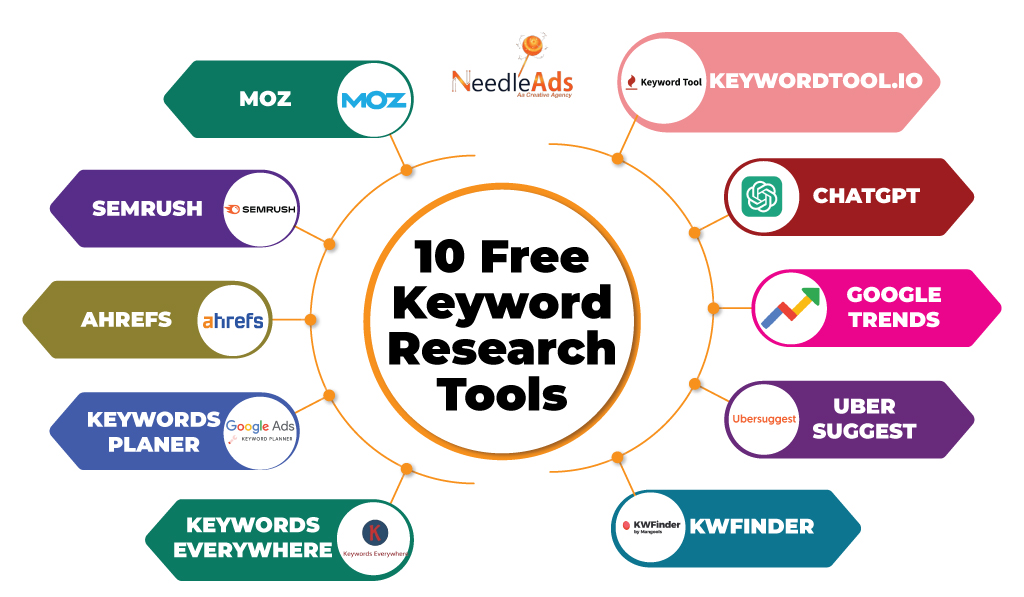
Tips for Using Free Keyword Research Tools Effectively
While each tool offers something different, combining them is the best strategy.
Here’s how to get the most out of them:
Combine multiple tools: Use Ubersuggest for metrics, AnswerThePublic for questions, and Google Trends for timing.
Organize your keywords: Use Google Sheets or Excel to cluster keywords by intent and topic.
Focus on long-tail keywords: These are easier to rank and offer better conversion rates.
Review SERPs manually: Always validate keyword difficulty and user intent through actual search engine result pages.
Final Thoughts
You don’t need to break the bank to do quality keyword research in 2025. With so many robust free keyword research tools available today, every digital marketer—regardless of budget—has access to powerful insights.
Whether you’re building a blog, planning PPC campaigns, launching a YouTube channel, or scaling a niche website, the tools mentioned above are more than enough to get you started.
Remember, the key isn’t just choosing the right free keyword research tools, but also knowing how to use them strategically. Mix creativity with data, and you’ll unlock massive organic growth—even in a crowded digital landscape.
📞 Contact TanayKuchhal.com Today
🔹 Email: kuchhaltanay@gmail.com
🔹 Website: www.tanaykuchhal.com
🔹 Instagram: @godigitalwithtanay